
Prehospital Whole Blood vs. Blood Components for Trauma
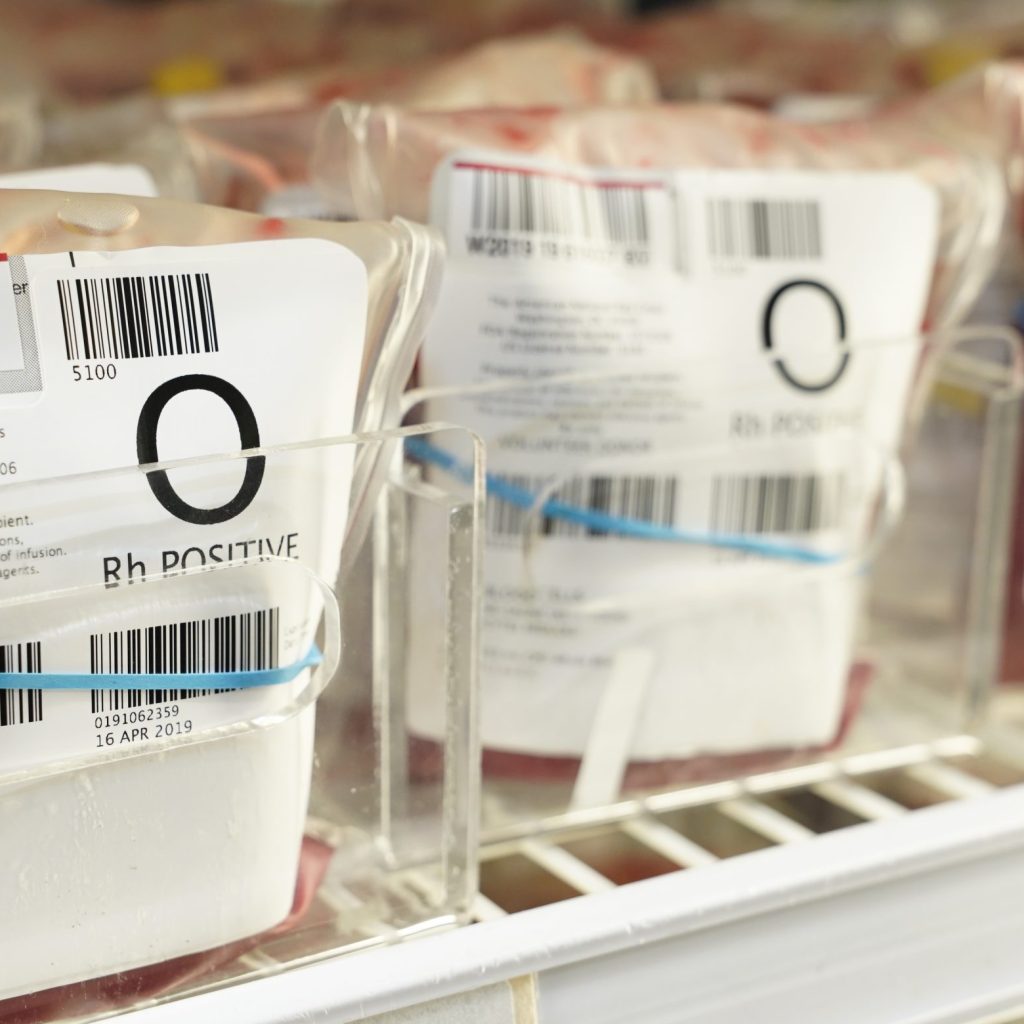
On May 18, 2026, the New England Journal of Medicine published the results of a multicenter study in adult patients with trauma and signs of hemorrhage, comparing prehospital transfusion with group O whole blood (WB) to transfusion with blood components (packed red cells, plasma, or both). WB was screened for anti-A and anti-B titers less than 256 and stored for up to 21 days. Eligible patients had either a systolic blood pressure of 90 mmHg or lower and a heart rate of 108 beats per minute or higher, or a systolic blood pressure of 70 mmHg or lower regardless of heart rate. Participating air medical bases (44 total) were block-randomized by month in a 2:1 ratio to use WB or blood components for initial transfusion.
The study was conducted from May 2022 through June 2025. Of 9554 candidate patients, 8423 (88.2%) did not meet inclusion criteria; 33 eligible patients were missed, and 78 met exclusion criteria. Prehospital transfusion occurred in 94.5% of enrolled study subjects. In the WB group, 48.0% received 1 unit of WB while 45.6% received 2 units. In the component group, 57.4% of the subjects received both RBCs and plasma. Notably, 31.6% of patients assigned to the WB arm received blood components in addition to or instead of WB, and 8.5% of patients assigned to the component arm were transfused with WB. Further analyses excluded 2.8% of subjects in the whole-blood arm who withdrew from the trial and 2.3% of subjects in the component arm who withdrew.
This superiority trial was designed to detect a 10% absolute difference in 30-day mortality (26% vs. 16%) with 80% power. In actuality, this primary endpoint occurred in 180 (25.9%) of the WB cohort and 61 (20.5%) of the component cohort. Although the adjusted odds ratio comparing WB with component therapy was not significantly different from 1, the point estimate favored blood component therapy, with a value of 1.24 (95% CI: 0.87-1.76). Similarly, the secondary endpoints of mortality at 3, 6, and 24 hours as well as in-hospital mortality did not demonstrate superiority for WB. A secondary analysis of the primary endpoint showed no association with the storage age of WB (1 to 14 days vs. 15 to 21 days), when those data were available. Finally, there were no differences noted in adverse events between the study groups.
Overall, the study did not demonstrate superiority of WB to components. Given the sample size, the 95% confidence interval is compatible with both a potential reduction in the odds of 30-day mortality with WB (OR 0.87) and a potential increase in the odds of 30-day mortality with WB (OR 1.76). However, these results need to be interpreted with caution given the general limitations of an unblinded pragmatic study with substantial crossover between treatment groups as well as variable transfusion practices.
Importantly, failure to demonstrate superiority should not be interpreted as high-quality evidence that prehospital WB is non-inferior to component therapy. Furthermore, this study was not designed to consider the larger question of whether WB transfusion is generally superior to component therapy in all settings, since the WB exposure was limited in scope to the prehospital setting. Also, the WB transfusion was limited in volume and administered to bleeding patients, raising the question of whether a sufficient dose was provided to observe a potential benefit. Given the potential logistical advantages of WB, a non-inferiority design may be indicated for future studies seeking to address whether prehospital transfusion with WB provides clinical outcomes comparable to those of component therapy. Nevertheless, given the logistical benefits of WB and the limitations of this prehospital-specific trial, the absence of statistically significant superiority for prehospital WB seems unlikely to alter current adoption trends in either the prehospital or hospital settings.
Reference
Sperry JL et al; TOWAR Study Group. Prehospital Resuscitation with Type O Whole Blood for Trauma and Hemorrhage. N Engl J Med. 2026 May 18. doi: 10.1056/NEJMoa2602167. Epub ahead of print.