
Bringing Blood Closer to the Moment of Need: How Prehospital Transfusion Is Shaping Trauma Care
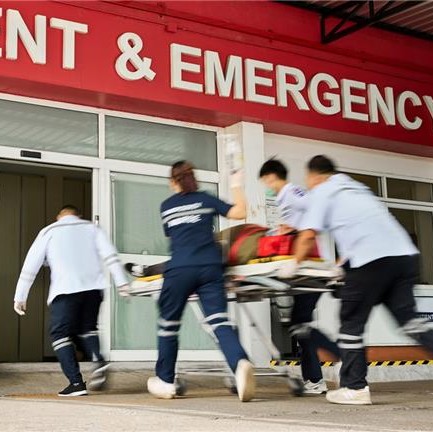
In trauma care, minutes matter. For patients experiencing life-threatening hemorrhage, the time between injury and hospital arrival can be critical. While emergency medical responders are highly trained to stabilize patients in the field, access to blood products before arrival at the hospital remains limited in many parts of the country.
Prehospital transfusion programs are helping change that by bringing blood products closer to the patient — at the scene of an emergency or during transport to a hospital. As interest in these programs grows, hospitals, emergency medical services (EMS) agencies and blood providers are working together to determine how earlier access to blood can be implemented effectively and sustainably.
Why Prehospital Transfusion Matters
Severe bleeding is one of the most time-sensitive emergencies in trauma care. Historically, transfusion support has been delivered primarily inside the hospital. Prehospital transfusion shifts that approach by equipping EMS teams, air medical transport programs and other emergency response partners with blood products that can be administered earlier in the care journey.
These programs may support patients experiencing traumatic injuries, catastrophic gastrointestinal bleeding, obstetric emergencies, or other life-threatening blood loss. They can be especially important in rural communities, where transport times may be long, as well as in urban areas where traffic or system pressures can delay arrival at definitive care.
The concept is straightforward but powerful: bring the blood to the patient, rather than waiting for the patient to reach the blood.
Building Programs Through Partnership
Prehospital transfusion requires close coordination across the healthcare system. EMS agencies, trauma centers, hospital blood banks, transfusion medicine specialists and blood providers all play important roles in helping these programs operate reliably and sustainably.
Program development may include decisions around product selection, storage and transport, inventory management, clinical protocols, staff training, documentation, temperature monitoring, product traceability, and waste mitigation. Each element must be considered within the context of local patient needs, transport times, regulatory requirements, trauma system capabilities, and available resources.
Introducing Vital Match Prehospital Services
Through the launch of Vital Match Prehospital Services, the American Red Cross is helping healthcare partners navigate this evolving area of trauma care by delivering blood products, education, consultation, and operational support. The program is designed to help EMS agencies and healthcare partners build and sustain field transfusion programs tailored to their unique needs.
Through Vital Match, the Red Cross can support partners with:
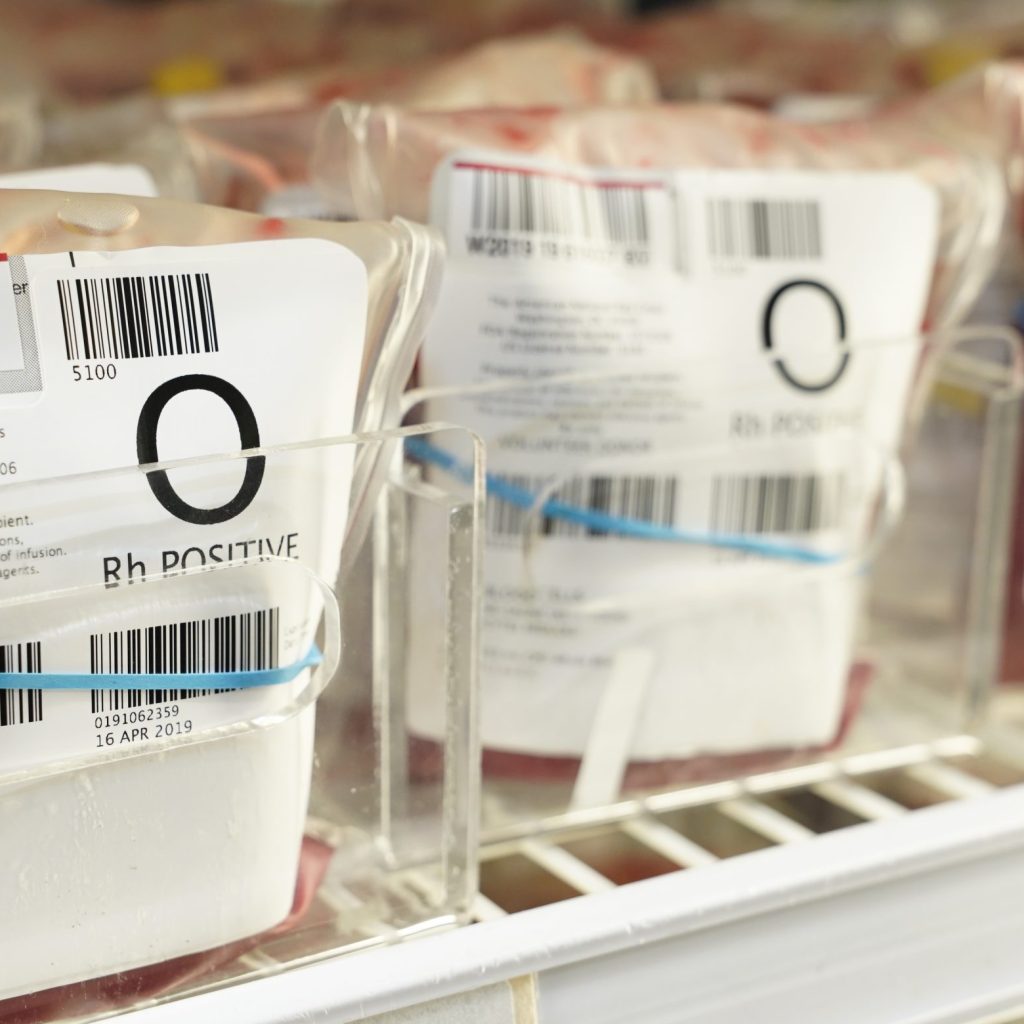
- Prehospital blood supply: Flexible blood products tailored to support field transfusion programs, including liquid plasma, red blood cells, and low titer O whole blood
- Education and training: product Education and responsible utilization practices designed to strengthen EMS capabilities, reinforce decision-making, and build confidence in delivering effective prehospital transfusion care
- Expert evaluation and consultation: Customized guidance to support program design, including product selection based on agency capabilities, patient populations, and operational needs
- Data-informed recommendations: Strategic support for product selection and stocking levels based on call volume, transport times and agency-specific workflows
- Ongoing monitoring and support: Continued quality oversight and program optimization to help support long-term effectiveness and sustainability
Balancing Innovation with Blood Stewardship
As prehospital transfusion programs expand, maintaining a sustainable blood supply remains essential. Some blood products used in trauma care, particularly group O blood products, are already in high demand across hospitals nationwide. Expanding access to blood outside the hospital requires careful planning to help ensure products remain available for all patients who need them.
That balance is central to Vital Match. The program is designed to support earlier access to blood in emergency response while also helping partners think strategically about inventory practices, product rotation, stocking levels, and waste mitigation.
Hospitals and EMS agencies can count on the Red Cross to help support this evolving need with the same focus on blood stewardship, operational reliability and patient care that has long guided our work. Through our scaled national network, deep donor engagement strategies and blood supply expertise, we are positioned to support both hospital-based care and emerging field transfusion needs without compromising access for patients.
The goal is to support patient survival today while helping preserve the availability of critical blood products for hospital-based care tomorrow.
Supporting the Future of Trauma Care
Prehospital transfusion represents an important shift in how healthcare systems think about trauma response, emergency preparedness, and access to lifesaving blood products. As evidence, experience, and collaboration continue to grow, these programs may become an increasingly important part of regional trauma care strategies.
Vital Match Prehospital Services builds on the Red Cross commitment to helping healthcare partners address complex, industry-wide challenges across the evolving blood system. By combining clinical partnership, operational experience, national blood supply infrastructure and a focus on sustainable stewardship, the Red Cross is helping bring blood closer to the moment of need and helping give more patients a chance to reach the care they need.
Read more about the importance of prehospital transfusion.